

【ICTM国际专题研讨会】从乐弓到齐特:丝绸之路上的乐器系列研究之四
国际传统音乐学会(ICTM)专题研讨会
从乐弓到齐特:
丝绸之路上的乐器系列研究之四
时间:2022年12月1-3日(暂定)
地点:上海音乐学院
继“丝绸之路上的抱弹类鲁特”(2016.10)、“丝绸之路上的复合簧管乐器”(2018.11)、“丝绸之路上的鼓与鼓乐”(2020.11)之后,上海音乐学院将于2022年12月第四次召开以“丝绸之路”为主题的国际传统音乐学会(ICTM)专题研讨会。本次研讨会将再次聚焦丝绸之路沿线的乐器,并探讨“从乐弓到齐特”这一问题。对此问题的关注有助于我们发现历史上丝绸之路沿线地区弦乐器的更多事实与有趣的细节。
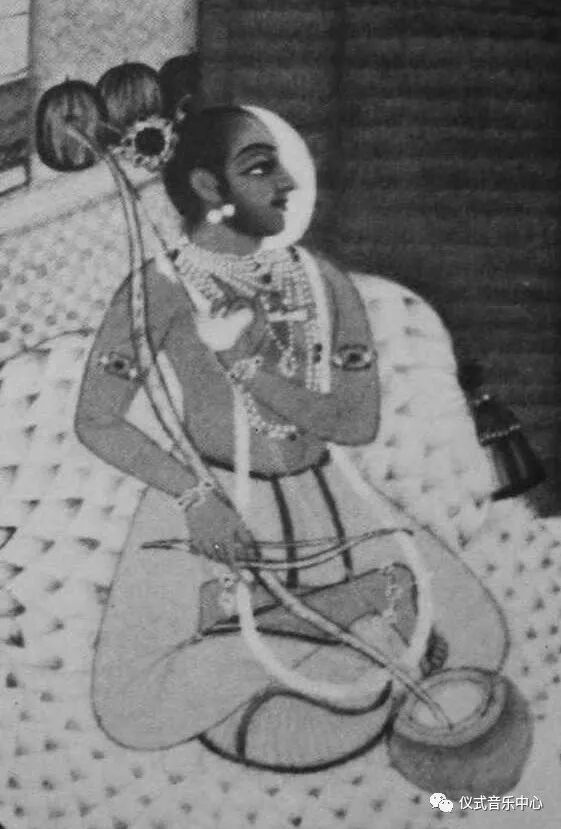
左:印度的乐弓(约 1725 年)
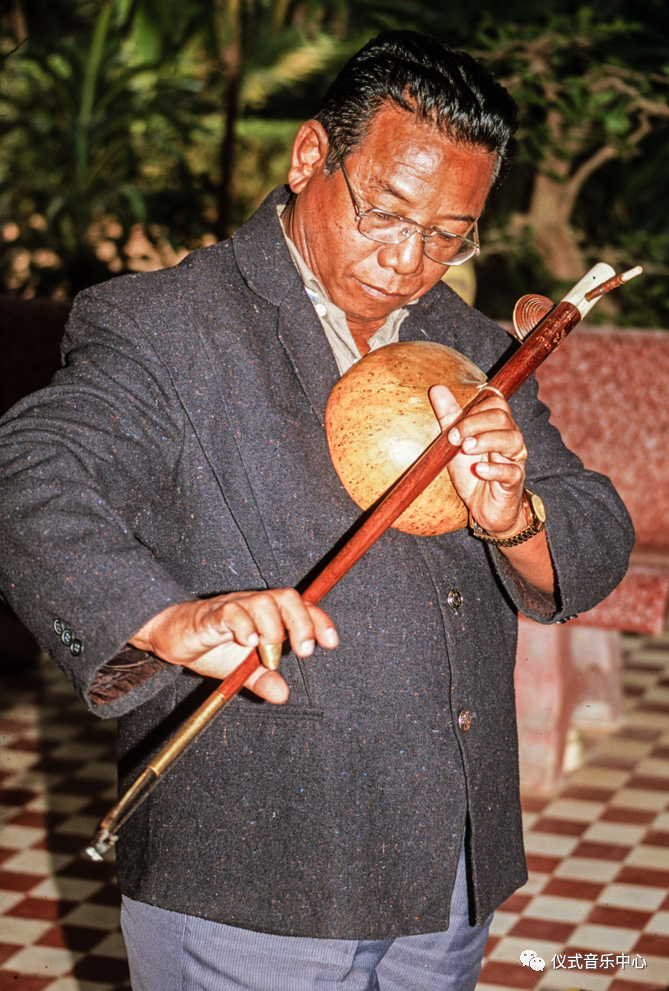
右:Kse diev/柬埔寨
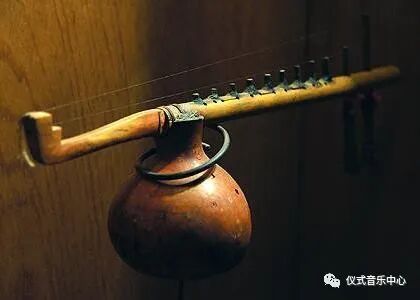
乐弓常被视为乐器发展的开端,但这一推断尚未被证实(乐弓也可能只是众多被用来创造特定声音的乐器之一)。迄今为止,国际学界有关乐弓问世的阐述大都指向非洲文化,然而在亚洲各地也发现有大量乐弓,其中包括一些仍然存活于当下实践中的,不太为人所知的在发展中相互影响的乐器,如弹拨的体鸣乐器(所有类型的口簧),以及不同形状、有或无共鸣器的乐弓。而齐特类乐器,如泰国的phin phia(带共鸣器的乐弓),越南的独弦琴,东南亚大陆高原地区的multiple string goongs(多弦管状齐特);与齐特相关的各种船型鲁特,以及中东和欧洲的许多齐特琴;由埃及和其他地区的乐器如中国箜篌(kam)衍生出来的竖琴和里拉;同时也不能忽略像桑图尔/扬琴这一类的击打型齐特类乐器。如此等等,似乎亦为漫长乐器发展的另一端。【敬请点击:线上展览 | 丝路随响:丝绸之路上的乐器——第一单元拨弦乐器(下)了解其中的齐特类乐器】
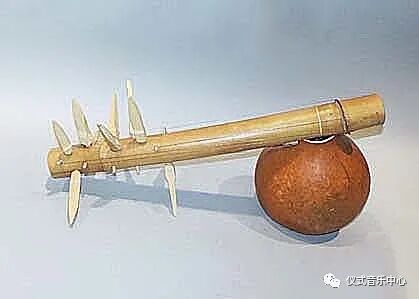
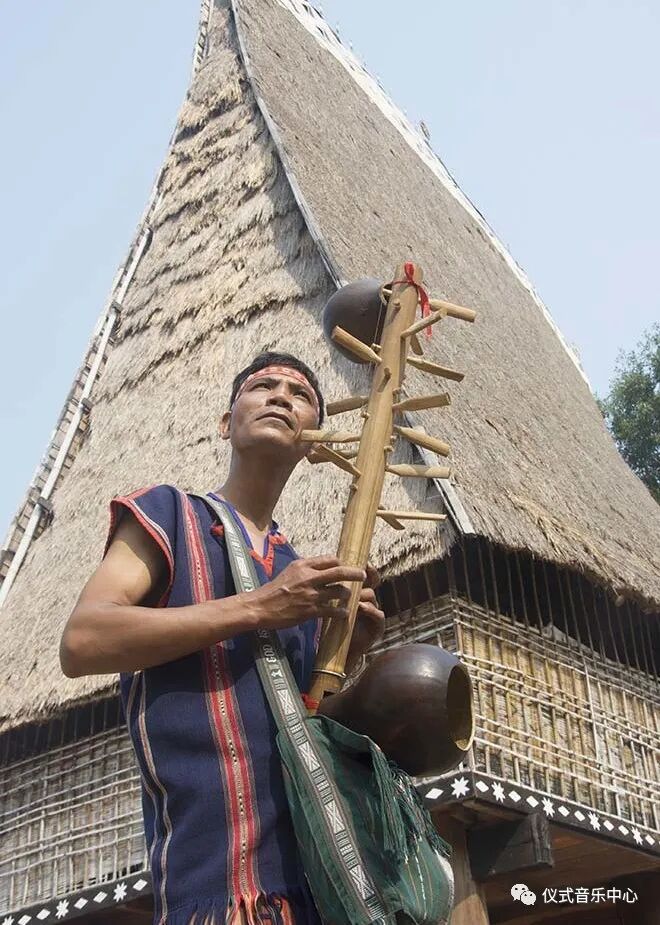
左上:Kong Ring/柬埔寨
左下:Dan Bro/越南
右:Teh đing/越南
本文图片提供:刘祥焜
(部分图片来自网络,侵权可删)
本次专题研讨会尝试对以往的一些阐述提出挑战,并试图克服历史发展的片面和单一的解释。这是重新研究路线图的一个步骤,并将乐器发展的观念与大区域范围的自然资源相联系。关注声音产品,尤其是乐器演奏,只是本次研讨会的一个重要方面;研讨会的另一个论域是引发和促进相关全球变化论题的持续讨论,以及探讨民族音乐学作为一门有着高度责任感的学科如何起到协助地方决策和区域间合作并共同研究的作用。
本次专题研讨会将聚焦于激发新的思考和收集尽可能多的与该话题相关的事实材料,为未来的调查研究提供强有力的基础。会议的内容与成果也将及时通过网络发布。研讨会将囊括主旨发言、主题发言、圆桌会议、工作坊和音乐会等多种形式,便于讨论和案例展示。
会议主题
1)人类如何对待自然资源,并通过使用简单弦鸣乐器如乐弓和齐特,来实现他们的社会目标?
2)从不同的视角看,使用简单弦鸣乐器如乐弓和齐特时,人们在音响认识论的层面上发生了哪些变化?
3)那些特定的乐器是如何被演奏的?
4)不同的历史背景下形成了哪些传播方式、结构样态和地方偏好?
5)关于这些特定乐器类型的区域间的知识交流对发展有何影响?
参会学者
所有参加本次研讨会的人员均由项目委员会推荐及邀请。他们将是专注于研究“丝绸之路上的乐弓和齐特”以及专业与之相关的学者。来自不同国家、不同学科的学者将共同展示他们各自的研究成果,这也将使研讨会具有巨大的学术潜力。
会议规模
将邀请来自不同国家和地区的18-25名学者。
会议时间
2022年12月1-3日(暂定)
会议地点
中国·上海·上海音乐学院(可能采取线上/线下结合的方式)
会议语言
英语为主,中文为辅。地方委员会将提供同声传译。
(无论使用何种语言参会,所有会议参与者都须提交英文摘要)
学术委员会
萧梅 (中国)
Gisa Jähnichen (德国/中国)
Ros Phosavadi (泰国)
István Pávai (匈牙利)
Jasmina Talam (波斯尼亚&塞尔维亚)
Manfred Bartmann (奥地利/德国)
Saule Utegalieva (哈萨克斯坦)
Razia Sultanova (英国)
主办
国际传统音乐学会(ICTM)
上海音乐学院(联合主办)
承办
上海音乐学院亚欧音乐研究中心
上海音乐学院贺绿汀中国音乐高等研究院
上海音乐学院中国仪式音乐研究中心
上海音乐学院音乐学系
Colloquium of the ICTM
From Musical Bow to Zithers along the Silk Road
Shanghai Conservatory of Music
1-3 December 2022
(tentatively set)
From Musical Bow to Zithers along the Silk Road, it involves a number of interesting aspects that help discover more facts and details on the history and use of string instruments in regions and areas connected to the Silk Road. The musical bow is an instrument often placed at the beginning of instrumental developments, though it is not yet proven that this was the fact. The musical bow may have been just one of many musical instruments that were used to create sound with specific features.
The descriptions of musical bows found so far are pointing towards cultures in Africa, yet there are plenty of musical bows prevailing across Asia, of which not much is known to the world such as the many deriving musical instruments found in current practice such as plucked idiophones (all types of jaw’s harps) and still as musical bows of different shapes with and without resonators. Zithers that come next to mind such as the Thai phin phia or the Vietnamese dan bau, many multiple string goongs of the highland communities of mainland Southeast Asia or the various boat shaped lutes that are principally related to zithers as well as all the many zithers of the Middle East and Europe, harps and lyres that may are derivates of them in Egypt and other places respectively such as the Chinese kam, not to forget the sophisticatedly hammered zithers of the santur/yangqin type, are seemingly the other end of a long development.
This colloquium is challenging some previous descriptions and trying to overcome one-sided explanations on historical developments. It is a step into re-researching progression lines and connecting the idea of instrumental developments with natural resources of larger regions. Sound production, especially with musical instruments, is but one important aspect of the colloquium. Another field is to incite ongoing discussion on global changes in this regard and the role of ethnomusicology as a discipline with a high responsibility to guide local decision making and interregional co-operation for joint researches.
The colloquium will focus mainly on thought provoking new thoughts and the gathering of as many as possible facts about the topic in order to provide a strong basis for future investigations. Its outcome will be published timely thereafter and made accessible online.
Besides important exchanges of scientific ideas in sessions, the colloquium will also offer a platform for workshops and concerts, that can be discussed and serve as examples.
The envisioned thematic frames include:
1) How do human beings behave towards natural resources in their efforts to achieve their social goals through using simple chordophones such as musical bows and zithers?
2) What changes in acoustemological approaches when using simple chordophones such as musical bows and zithers seen from different perspectives?
3) How are those specific musical instruments performed?
4) Which transmission methods, constructions, and local preferences are formed in different historical contexts?
5) What are the developmental implications in an interregional exchange of knowledge about these specific musical instrument types?
All participants in this seminar will be recommended by program committee and invited. They will be scholars whose research focus and specialization relates to musical bow and zither of the Great Silk Road. Scholars from different countries and from different disciplines will present their respective studies together, and this will enable the colloquium to develop a unique framework with great potential for academic importance.
Scale of the Colloquium
18-25 scholars from China and abroad will attend the colloquium.
Colloquium Date
1-3 December 2022 (tentatively set)
Colloquium Site
Shanghai Conservatory of Music, Shanghai, China / Hybrid (Local/International/Online together, if necessary)
Colloquium Langue
The language will be mainly in English, with Chinese as auxiliary language. (Regardless of the language of presentation, all potential participants must submit abstracts in English.) Simultaneous interpretation will be provided by the LAC.
Program Committee
Xiao Mei (China)
Gisa Jähnichen (Germany/China)
Ros Phosavadi (Thailand)
István Pávai (Hungary)
Jasmina Talam (Bosnia & Hercegovina)
Manfred Bartmann (Austria/Germany)
Saule Utegalieva (Kazakhstan)
Razia Sultanova (UK)
Organizers
International Council for Traditional Music
Shanghai Conservatory of Music (Co-host)
Supporting Organizers
Asia-Europe Music Research Centre of SHCM
He Luting Advanced Research Institute of Chinese Music of SHCM
Research Institute of Ritual Music in China of SHCM
Musicology Department of SHCM